
Pool plaster is the smooth, protective coating applied to the interior surface of concrete and gunite swimming pools. It is used for both a functional and aesthetic purpose , sealing the pool to prevent leaks, creating a comfortable surface for swimmers, and setting the tone for the pool’s overall look. Without plaster, the rough concrete shell would be exposed, leading to discomfort, water loss, and long-term structural damage.
Why Pool Plaster Is Essential
- Waterproofing the Structure
Concrete and gunite are naturally porous materials. Pool plaster fills those pores, creating a watertight barrier that prevents water from seeping into the shell and surrounding soil. - Creating a Comfortable Surface
Raw concrete is abrasive and unpleasant to walk or swim on. Plaster smooths the surface, reducing irritation to the skin and making the pool more enjoyable to use. - Defining the Pool’s Appearance
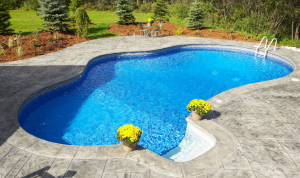
The plaster color determines how the water looks. A white plaster will make the water appear bright blue, while darker finishes can create a deep, reflective lagoon effect.
Types of Pool Plaster Finishes
- Standard White Plaster
This classic finish has been used for decades and remains popular for its clean, bright appearance. It’s cost-effective but may show stains or etching more quickly than other finishes. - Colored Plaster
By adding pigments, colored plaster allows for customization beyond standard white. Shades like light blue, aqua, and gray are common, with darker tones offering a more dramatic look. - Aggregate Finishes
Aggregate finishes mix plaster with materials like quartz, glass beads, or pebbles. This creates a textured look that’s more stain-resistant, durable, and visually interesting. Pebble Tec and Pebble Sheen are well-known examples. - Polished Plaster
Polished finishes are smoothed and buffed to create a glossy surface. They’re highly durable and offer a luxurious, high-end appearance.
Lifespan and Maintenance
With proper installation and maintenance, pool plaster typically lasts 7–15 years, depending on the type. Over time, exposure to chemicals, water, and weather can lead to surface wear, staining, or rough patches.
To extend the life of your plaster:
- Maintain proper alkalinity and calcium hardness levels.
- Brush pool walls regularly to prevent algae buildup.
- Avoid harsh chemical shocks unless absolutely necessary.
- Address stains quickly before they set into the surface.
Signs Your Pool Needs Replastering
Replastering becomes necessary when the coating loses its integrity or appearance. Common signs include:
- Persistent rough or pitted areas that irritate skin
- Large or deep stains that cannot be removed
- Visible cracks or hollow-sounding spots when tapped
- Water loss not linked to equipment leaks
Replastering not only restores beauty but also renews the protective seal that keeps your pool structurally sound.
Choosing the Right Pool Plaster
The ideal plaster depends on your style goals, maintenance expectations, and budget. Standard white plaster is affordable and timeless, while colored and aggregate finishes offer a custom look with better stain resistance. Polished finishes provide a high-end appearance and increased longevity. A professional pool builder can help you choose the option that best matches your vision and the conditions of your pool.
Ready to Refresh Your Pool’s Look?
At Royal Pool Builders LA, we specialize in building, remodeling, and renovating concrete swimming pools with premium plaster finishes. Whether you want a fresh white surface, a bold new color, or a durable aggregate finish, our team ensures a flawless application and a stunning result.
Call (806) 542-3470 to schedule a consultation or get a free estimate. Let’s build the pool you’ve always dreamed of, with a finish that’s built to last.