
When homeowners start planning a swimming pool, one of the first comparisons they make is inground pools vs above ground pools. Both options provide a way to enjoy swimming at home, but they differ greatly in construction, cost, appearance, and long term commitment. Understanding these differences helps homeowners choose the option that best fits their space, lifestyle, and budget.
This comparison breaks down the key factors that separate these two pool types so you can make an informed decision.
Structural Differences and Construction Style
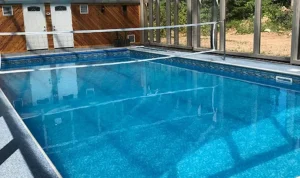
The most obvious difference lies in how each pool is built. Inground pools are constructed below ground level and become a permanent part of the property. Installation involves excavation, structural support, plumbing, electrical systems, and finishing materials.
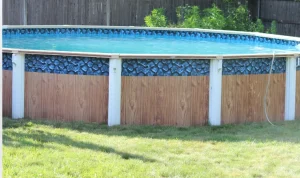
Above ground pools are installed on top of the ground using a framed or walled structure. They rely on a prepared base for support rather than underground construction. Because of this, installation is faster and far less invasive to the yard.
These structural differences affect everything from durability to maintenance and visual appeal.
Installation Time and Project Complexity
Inground pool projects typically take several weeks to a few months. The timeline depends on the pool type, weather, permits, inspections, and customization. Concrete pools take the longest, while fiberglass pools are installed more quickly.
Above ground pools can often be installed in one to two days once the site is prepared. Smaller or temporary models may be ready within hours. This shorter timeline is appealing for homeowners who want quick results with minimal disruption.
When comparing inground pools vs above ground pools, installation speed is one of the biggest deciding factors.
Cost Comparison and Budget Impact
Cost plays a major role in pool decisions. Inground pools require a larger upfront investment due to excavation, materials, labor, and permits. Additional costs often include decking, fencing, and landscaping.
Above ground pools are significantly more affordable upfront. The pool itself costs less, and installation expenses are lower. However, accessories such as ladders, decks, and covers can add to the total cost.
While inground pools usually cost more initially, they may offer better long term value depending on usage and property goals.
Design Flexibility and Visual Appeal
Inground pools offer nearly unlimited design options. Homeowners can choose custom shapes, depths, finishes, tile work, water features, and integrated landscaping. These pools blend seamlessly into outdoor living spaces and often become a focal point of the yard.
Above ground pools have more limited design flexibility. They are typically round or oval and sit visibly above ground level. Some homeowners improve appearance by adding decking or partial burial, but customization remains more restricted.
From an aesthetic standpoint, inground pools usually provide a more polished and permanent look.
Maintenance and Long Term Care
Maintenance requirements differ between the two options. Inground pools are larger and often include more complex systems, which can increase cleaning and chemical needs. Surface materials such as plaster or tile may require refinishing over time.
Above ground pools are generally easier and less expensive to maintain. Smaller water volume means fewer chemicals and shorter cleaning times. Repairs are often simpler and more affordable.
Considering long term upkeep is essential when evaluating inground pools vs above ground pools.
Safety and Accessibility Considerations
Safety features can be added to both pool types, but accessibility differs. Inground pools allow gradual entry options like steps, benches, and tanning ledges. This can be helpful for children, seniors, and those with mobility concerns.
Above ground pools typically require ladders or steps for entry, which can be removed when the pool is not in use. This feature can enhance safety for households with small children by limiting unsupervised access.
Local safety regulations may influence which option is more practical for your property.
Impact on Property Value
Inground pools are often considered a permanent home improvement and may increase property value in warmer climates or pool friendly markets. They can make a home more attractive to certain buyers.
Above ground pools usually do not add property value and may even be removed before selling a home. They are viewed more as temporary or seasonal features rather than permanent upgrades.
Homeowners thinking long term often weigh this factor heavily.
Which Pool Type Fits Your Lifestyle?
Choosing between inground pools vs above ground pools depends on how you plan to use the pool. Inground pools are ideal for frequent use, entertaining, and long term outdoor living plans. They suit homeowners who want customization and are ready for a permanent commitment.
Above ground pools are better for seasonal use, tighter budgets, or households that want flexibility. They are practical for families testing pool ownership without a major investment.
Final Thoughts
The decision between inground pools vs above ground pools comes down to priorities. Budget, timeline, appearance, maintenance, and long term plans all play important roles.
By understanding the strengths and limitations of each option, homeowners can confidently choose the pool type that matches their needs. Whether the goal is a quick backyard upgrade or a long lasting outdoor feature, knowing the difference between inground pools vs above ground pools makes the decision clearer and more manageable.
Compare Inground Pools vs Above Ground Pools With Expert Guidance
Choosing between inground pools vs above ground pools depends on budget, space, and long term plans. Royal Globe Pool Construction helps homeowners across Los Angeles make informed decisions with honest recommendations. Call 1 806-542-3470 to review your options and plan the right pool solution.