
Choosing the right pool type is one of the most important decisions when planning a new build. Both fiberglass and concrete pools offer strong benefits, but they differ in cost, durability, design flexibility, and maintenance. Understanding how to choose between fiberglass and concrete pools helps you make a decision that fits your space, budget, and long-term goals.
Understanding Fiberglass Pools
Fiberglass pools are pre-manufactured shells that are installed as a single unit. They arrive ready-made and are placed into an excavated area.
Key advantages:
- Faster installation, often completed in a few weeks
- Smooth surface that resists algae buildup
- Lower ongoing maintenance requirements
- Generally lower long-term chemical usage
Fiberglass pools are best for homeowners who want a quicker installation process and a simpler maintenance routine.
Limitations:
- Limited shapes and sizes due to pre-made molds
- Transportation restrictions for very large designs
- Less flexibility for custom features
Understanding Concrete Pools
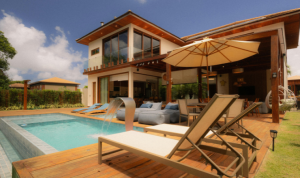
Concrete pools are built on-site and fully customizable. They are constructed using materials like gunite or shotcrete, allowing for complete design flexibility.
Key advantages:
- Unlimited design options in shape, size, and depth
- Ability to add custom features like spas, waterfalls, and tanning ledges
- Strong and long-lasting structure when properly maintained
- Ideal for unique or complex backyard layouts
Concrete pools are often chosen for high-end, custom designs that require a tailored approach.
Limitations:
- Longer construction time, often several months
- Higher initial cost
- More maintenance due to porous surfaces
- Requires resurfacing over time
Installation Time and Process
One of the biggest differences is how long each type takes to install. Fiberglass pools are much quicker because the shell is pre-built. Once delivered, installation can be completed in a short timeframe.
Concrete pools take longer because they are built from scratch. The process involves excavation, framing, pouring, curing, and finishing. When thinking about how to choose between fiberglass and concrete pools, your timeline can play a major role in the decision.
Design Flexibility
Design is where concrete pools stand out. They can be customized to pair with any vision, whether it is a modern geometric layout or a natural, freeform design.
Fiberglass pools, while available in various styles, are limited to manufacturer designs. If you have a very specific layout in mind, concrete is usually the better option.
This is a key factor in how to choose between fiberglass and concrete pools, especially for homeowners who want a unique backyard setup.
Maintenance and Upkeep
Maintenance is another important consideration. Fiberglass pools have a smooth, non-porous surface that makes them easier to clean and maintain.
Concrete pools, on the other hand, are more porous. This means they require more frequent brushing and chemical balancing to prevent algae buildup.
If you prefer a low-maintenance option, fiberglass may be more suitable. However, if customization is your priority, concrete pools are worth the extra care.
Durability and Lifespan
Both types are durable, but they perform differently over time.
Fiberglass pools are flexible and can handle slight ground movement without cracking. Their surface lasts a long time with minimal upkeep.
Concrete pools are extremely strong and can last for decades, but they require periodic resurfacing to maintain their condition. Understanding these differences is essential when deciding how to choose between fiberglass and concrete pools for long-term use.
Cost Considerations
Initial cost and long-term expenses vary between the two options.
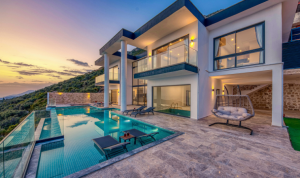
Fiberglass pools typically have a lower upfront cost and reduced maintenance expenses over time. Concrete pools usually cost more to build but offer greater customization.
It is important to consider not just the installation cost but also maintenance, repairs, and upgrades over the years.
Which Option Is Right for You?
Choosing between the two depends on your priorities:
Choose fiberglass if you want:
- Faster installation
- Lower maintenance
- Predictable costs
- Simple, clean designs
Choose concrete if you want:
- Full design freedom
- Custom features and layouts
- A high-end, personalized finish
- Flexibility for complex spaces
These considerations are central to understanding how to choose between fiberglass and concrete pools and making a confident decision.
Final Thoughts
Knowing how to choose between fiberglass and concrete pools comes down to balancing convenience, customization, and long-term value. Fiberglass offers simplicity and efficiency, while concrete provides flexibility and design freedom.
By evaluating your space, budget, and lifestyle, you can choose the option that delivers the best results for your home and ensures your pool meets your expectations for years to come.