
Hiring a professional contractor can make or break your pool project. Before you commit, it’s important to ask the right questions so you understand their experience, process, and reliability. Knowing what questions you should ask a pool contractor? helps you avoid delays, hidden costs, and poor workmanship.
Are You Licensed and Insured?
Start with the basics. A professional contractor should have proper licensing and insurance.
Ask for proof of:
- Contractor license
- Liability insurance
- Worker’s compensation coverage
This will protect you financially and legally if something goes wrong during construction.
How Much Experience Do You Have with Pool Construction?
Experience matters, especially for complex projects. Ask how long they have been building pools and what types they specialize in.
It also helps to ask:
- Do you build custom pools?
- Have you handled projects similar to mine?
- Can you share past project examples?
This gives you a clearer idea of their skill level and capabilities.
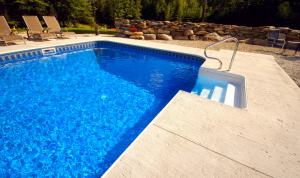
Can You Provide References or Past Work?
A reliable contractor should be able to show previous projects and connect you with past clients.
Ask for:
- Before-and-after photos
- Client references
- Reviews or testimonials
This step is essential when evaluating what questions should you ask a pool contractor?, as it confirms their track record.
What Is Included in the Estimate?
Not all quotes are the same. Some may leave out important details that lead to extra charges later.
Make sure the estimate clearly includes:
- Materials and labor
- Equipment and systems
- Permits and inspections
- Timeline and milestones
Understanding the full scope helps you compare contractors accurately.
What Is the Expected Timeline?
Ask how long the project will take and what factors could affect the schedule.
Important points to clarify:
- Start and completion dates
- Possible delays due to weather or permits
- Key construction phases
Clear timelines help you plan and reduce uncertainty.
Who Will Be Managing the Project?
Some companies handle everything in-house, while others use subcontractors.
Ask:
- Who will be on-site daily?
- Will there be a project manager?
- How will communication be handled?
Knowing who is responsible helps you stay informed throughout the process.
What Materials and Equipment Do You Recommend?
A good contractor should explain why certain materials or systems are better for your project.
Ask about:
- Pool surface options
- Filtration systems
- Energy-efficient upgrades
- Durability and maintenance needs
This helps you make decisions that are best for your pool instead of relying on guesswork.
What Warranties Do You Offer?
Warranties provide peace of mind and protect your investment.
Ask about:
- Structural warranties
- Equipment warranties
- Workmanship guarantees
Understanding coverage is an important part of what questions should you ask a pool contractor?, especially for long-term reliability.
How Do You Handle Changes or Unexpected Issues?
Changes can happen during construction. It is important to know how they will be managed.
Ask:
- How are change orders handled?
- Will additional costs be approved in advance?
- How are unexpected problems resolved?
This ensures transparency and avoids surprises.
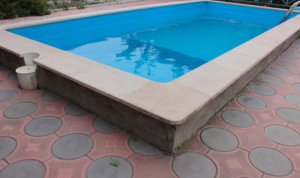
What Maintenance Will Be Required After Completion?
A professional contractor should guide you on how to care for your pool once it is finished.
Ask about:
- Cleaning routines
- Chemical balancing
- Equipment maintenance
- Service options
This helps you prepare for ongoing upkeep and avoid future issues.
Can You Help with Design and Permits?
Some contractors provide full-service solutions, including design and permit handling.
Ask if they will:
- Create or refine your pool design
- Handle local permits and approvals
- Coordinate inspections
This can save time and simplify the process.
Final Thoughts
Knowing what questions should you ask a pool contractor? gives you confidence when choosing the right professional for your project. Asking detailed questions helps you understand costs, timelines, and expectations before work begins.
By taking the time to evaluate contractors properly, you reduce risks and increase the chances of a smooth, successful pool construction experience.