
Building a pool is exciting, but without proper planning, costs can quickly get out of control. Knowing how to budget for pool construction allows you to make smart decisions early, avoid surprises, and still get a pool that fits your vision.
A strong budget is not just about numbers, it is about understanding where money goes and how each decision affects the final cost.
Define Your Budget Range First
Before looking at designs or features, decide how much you are comfortable spending. This should include both your ideal budget and the maximum you are willing to go if needed.
Pool pricing varies based on size, materials, and complexity. Instead of chasing the cheapest option, focus on long-term value. Spending slightly more upfront on quality materials or systems can reduce future repair and maintenance costs.
Break Down the Full Project Cost
To truly understand how to budget for pool construction, you need to see the project in parts rather than one total number.
Typical cost areas include:
- Ground preparation and excavation
- Pool shell or structure
- Plumbing, wiring, and equipment
- Interior finishes and edge details
- Decking, paving, or landscaping around the pool
- Labor and inspection fees
When you separate these components, it becomes easier to adjust your budget without affecting the entire project.
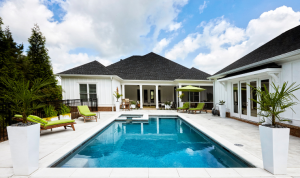
Select the Pool Type Carefully
Your choice of pool type directly affects your budget. Fiberglass, vinyl, and concrete options all come with different price points and long-term commitments.
Fiberglass tends to be quicker and more predictable in cost. Concrete offers more customization but usually requires a higher investment. Making this decision early helps prevent budget changes later.
Decide on Features in Advance
Extra features can significantly raise your total cost if they are added without planning. It is better to decide early what you truly need.
Some common upgrades include:
- Built-in lighting
- Water features such as fountains
- Heating systems
- Spa additions
- Automated controls
If you are serious about learning how to budget for pool construction, separating essential features from optional ones is a key step.
Include Permits and Compliance Costs
Every location has its own rules for pool construction. Permits, inspections, and safety requirements all come with costs.
These are often overlooked in early estimates, but they can impact both your budget and timeline. Including them from the start helps avoid delays and last-minute expenses.
Keep a Buffer for Unexpected Costs
No construction project is completely predictable. Ground conditions, material changes, or design adjustments can increase costs during the process.
keeping an extra 10 to 15 percent of your total budget aside gives you flexibility. This safety margin keeps the project moving without stress if something unexpected comes up.
Think Beyond Construction Costs
Budgeting does not end once the pool is built. Ongoing expenses should also be considered.
These include:
- Routine cleaning and chemical use
- Equipment upkeep
- Electricity and water usage
- Occasional repairs
Factoring in these costs helps you choose systems and materials that are easier to maintain over time.
Choose the Right Contractor
A reliable contractor can make a major difference in how well your budget holds up. Experienced professionals provide accurate estimates and help you avoid unnecessary spending.
They can also suggest better alternatives when certain design choices exceed your budget. This guidance is valuable when applying how to budget for pool construction in a practical way.
Set Clear Priorities
It is easy to get overwhelmed with design ideas. Without clear priorities, costs can rise quickly.
Decide early:
- What features are essential
- What can be upgraded later
- Where you are willing to compromise
This keeps your spending aligned with your goals and prevents unnecessary additions.
Plan the Project Timing
The time of year can influence costs and availability. Scheduling your project during a slower season may give you better pricing or faster timelines.
Planning ahead also gives you more control and reduces pressure to make rushed decisions.
Final Thoughts
Understanding how to budget for pool construction comes down to preparation, clarity, and smart choices. When you break down costs, plan features carefully, and allow room for flexibility, the entire process becomes more manageable.
A well-planned budget not only keeps your project on track but also helps you build a pool that delivers long-term value without unnecessary financial strain.