
Custom pool design goes far beyond choosing a shape and digging a hole. It is a detailed planning process that combines layout, aesthetics, functionality, and engineering to create a pool tailored to your space and lifestyle. Whether you want a simple backyard pool or a high-end outdoor feature, custom design ensures every element is planned with purpose.
Initial Consultation and Vision Planning
The process begins with understanding your goals. A pool designer or contractor will discuss how you plan to use the pool, your style preferences, and your budget.
During this stage, you will define:
- Pool size, shape, and depth
- Intended use, relaxation, fitness, or entertaining
- Overall look, modern, natural, or resort-style
This helps create a clear direction before moving into technical planning.
Site Evaluation and Layout Planning
Every property is different, so a detailed site evaluation is essential. The contractor assesses your backyard to determine the best placement for the pool.
They consider:
- Available space and property layout
- Sun exposure and wind direction
- Slope, soil condition, and drainage
- Access for construction
The goal is to design a pool that fits naturally within your outdoor space while avoiding future issues.
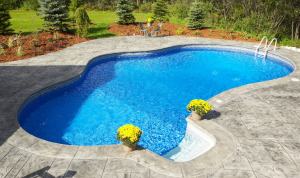
2D and 3D Design Visualization
One of the key parts of custom pool design is visualization. Most contractors provide detailed layouts or 3D renderings so you can see how the pool will look before construction begins.
These designs help you:
- Understand proportions and spacing
- Make adjustments before work starts
- Explore different layout options
This step reduces guesswork and ensures you are satisfied with the final concept.
Material and Finish Selection
Custom design includes selecting materials that affect both appearance and durability. You will choose finishes that match your style and maintenance preferences.
Common options include:
- Interior finishes like plaster, quartz, or pebble
- Tile designs for the pool edge and waterline
- Coping and decking materials such as stone or concrete
Each material contributes to the overall look and feel of the pool.
Features and Custom Add-Ons
A custom pool allows you to include features that enhance both function and visual appeal. These elements are tailored to your preferences and budget.
Popular additions include:
- Water features like waterfalls or fountains
- Built-in spas or tanning ledges
- LED lighting systems
- Fire features or seating areas
These details turn a basic pool into a more complete outdoor experience.
Equipment and System Design
Behind every pool is a system that keeps it running efficiently. Custom pool design includes planning for all mechanical components.
This involves:
- Pumps and filtration systems
- Heating options
- Automation controls for lighting and temperature
A well-designed system improves performance and reduces maintenance over time.
Safety and Compliance Planning
Safety is an important part of the design process. Contractors ensure the pool meets local building codes and includes necessary safety features.
This may include:
- Fencing or barriers
- Proper depth markings
- Safe entry and exit points
Planning for safety early helps avoid costly changes later.
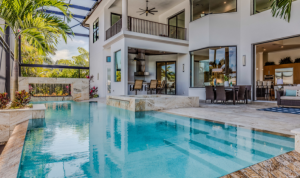
Integration with Outdoor Space
Custom pool design is not limited to the pool itself. It also considers how the pool fits into your overall backyard layout.
This can include:
- Decking and patio areas
- Landscaping and greenery
- Outdoor kitchens or seating spaces
The goal is to create a cohesive outdoor environment rather than a separate feature.
Final Thoughts
Custom pool design includes everything from initial planning and layout to materials, features, and system setup. It is a complete approach that ensures your pool is built around your needs, not a standard template.
By investing in proper design, you not only improve the appearance of your pool but also its functionality, safety, and long-term value.